


Speaking Up Without Sounding Difficult: How to Evidence Constructive Challenge

Many Civil Service applicants avoid examples involving disagreement because they worry about appearing difficult or unable to work with others.
But the Civil Service does not simply need people who agree with every decision. It needs people who can identify risks, question assumptions, and raise concerns professionally.

Speaking up can be uncomfortable, particularly when it risks disagreement or unforeseen consequences, but constructive challenge often begins with the courage to act on your values, raise what others may avoid, and trust that a healthy working environment can turn tension into reflection, resolution, and meaningful change.
What constructive challenge looks like
You might question an unrealistic deadline, identify a missed risk, correct inaccurate information, raise concerns about service users, or suggest a better approach.
The strongest examples show that the candidate did not challenge simply to prove a point. They understood why the issue mattered, gathered evidence, chose an appropriate way to raise it, and stayed focused on the shared objective.
This is what separates constructive challenge from complaining.
How to describe the example
A strong application should make the candidate’s reasoning visible. Start by explaining the concern and why it mattered. Was there a risk to quality, delivery, fairness, cost, safety, or public trust? Then explain how you raised it.
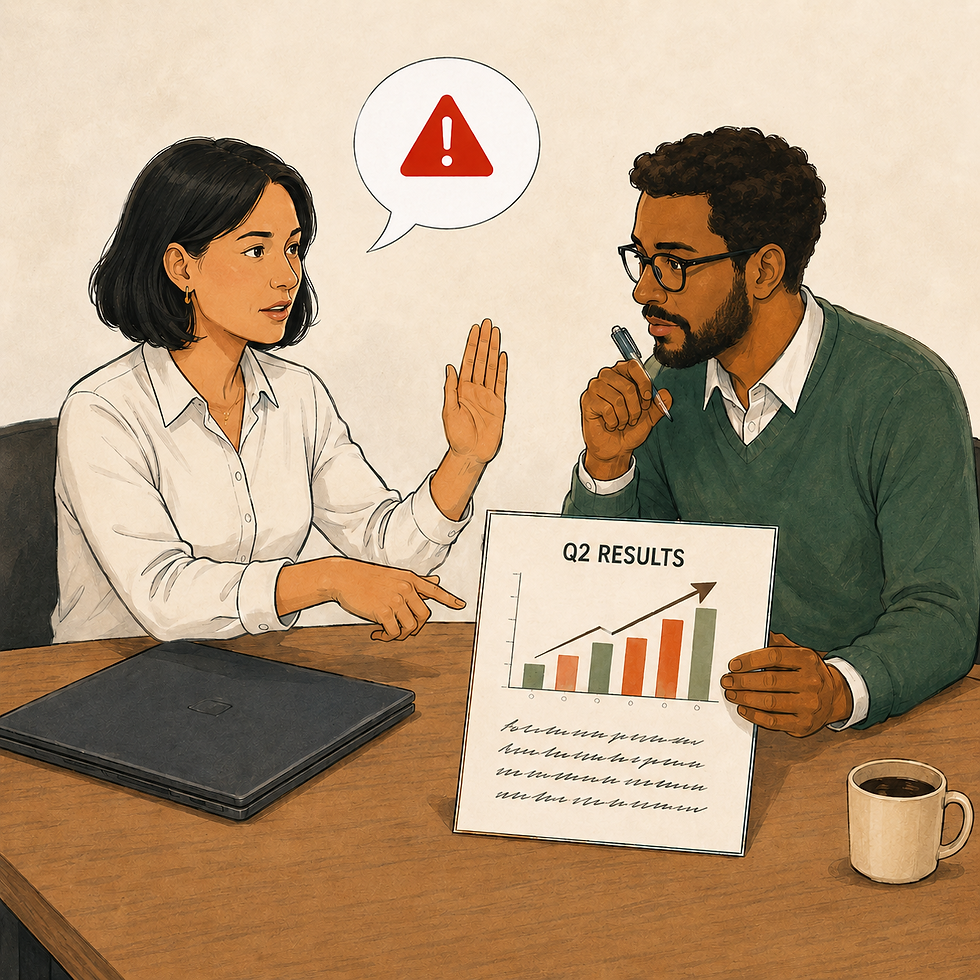
Did you speak privately with a colleague? Present evidence in a meeting? Ask questions to test an assumption? Offer an alternative rather than rejecting the existing plan?
Your approach matters as much as the concern itself. Assessors need to see that you were respectful, proportionate, and aware of the wider context.
Challenge without damaging relationships
Effective challenge often depends on collaboration.
This means listening to why others support the original approach, acknowledging competing pressures, and adapting your communication to the audience.
You may not secure everything you proposed. A strong outcome could involve a compromise, an additional safeguard, a revised deadline, or a later review.
The aim is not always to win. It is to improve the quality of the decision.
You do not need seniority
Constructive challenge is not limited to managers or senior officials.
An intern, administrator, volunteer, student, or junior employee can identify a risk and raise it appropriately. The strength of the example comes from the quality of your judgement, not your job title.
Even where your suggestion was not accepted, the example may still be useful if you can show that you acted professionally, followed the appropriate process, and learned from the response.
Where applicants go wrong
Weak examples often say, “I challenged the decision,” without explaining what was at stake or how the challenge was handled.

Others focus so heavily on proving they were right that they present colleagues as unreasonable. This can undermine behaviours such as Working Together and Communicating and Influencing.
Keep the focus on the issue, your actions, and the outcome.
What this is really testing
Constructive challenge can provide evidence for several Civil Service behaviours, including Communicating and Influencing, Making Effective Decisions, Leadership, Working Together, and Seeing the Big Picture.
Ultimately, assessors are looking for people who can combine courage with judgement.
A strong Civil Servant should be able to raise a concern without creating unnecessary conflict, challenge an assumption without dismissing others, and protect the wider outcome without losing sight of relationships.
Speaking up is not about being difficult. Done well, it is evidence that you understand the responsibility that comes with public service.



Comments